

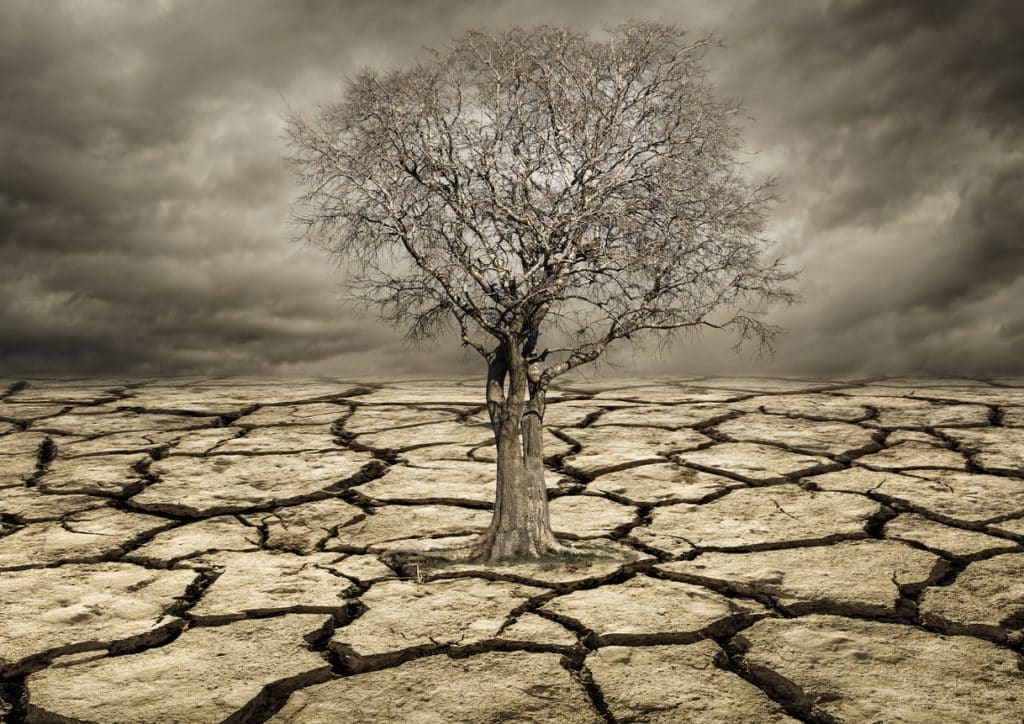
Knowing how much to water your plants is a challenge for almost everyone. It’s not uncommon to under‑ or over‑water the garden. However, your tree might be giving you clear signals that it needs more water. Learn the signs that a tree is thirsty right now—and what steps you can take to restore its health.
Leaf Color
Your tree requires water when the leaves start turning specific colors. For example, brown is the most common color for deciduous trees. It might appear as blotchy patches or as edging to each leaf. Yellow is another color that arises along leaf edges too. Water might be an issue if it’s not nearly the fall season when leaves are supposed to turn colors.
For evergreens, such as conifers, consider the colors that the needles turn on a long‑forgotten Christmas tree. Red, brown, yellow, and even purple colors indicate that water is needed.
Leaf Size
Some trees show distress in different ways than just color changes. Every tree species has a specific size for its leaves. If you’ve appreciated your trees over the years, you know what the leaves should look like on a healthy plant.
Keep a close eye on leaf size if a tree appears thirsty. They’ll grow smaller than usual. This size change is significantly different than a healthy tree, which means you should be able to observe the difference almost immediately.
Leaf Drop
A classic sign of a thirsty tree is a leaf drop. Regardless if the leaves are new or old, the tree will drop them to reduce strain on its system. Leaves require plenty of water. Because the tree cannot support the leaves during drought, it drops them as a survival mechanism.
Disease or Infestation
When a tree is under stress, it’s vulnerable to disease or infestation. So keep a close eye on your tree. Any changes to its bark or the appearance of new critters in the area is cause for concern.
Thirsty trees can’t fight off pests or microbes. Thoroughly water your tree to see its healthy growth return. It may recover from these issues with a bit of help from you.
Unusual Growth Patterns
Tree growth may be challenging to observe from afar. However, you’ll notice growth differences if you prune branches from the tree. Take a look at the tree rings. A healthy tree offers symmetrical ring growth from year to year.
A tree suffering from drought will have either accelerated or slow growth. As a result, the rings will have an asymmetrical appearance. Regular watering will help future rings grow at a better rate.
Additional Insights & Tips
1. Check the Soil, Not Just the Leaves
One of the simplest and most reliable ways to gauge your tree’s hydration is by inspecting the soil. Dig down about 6–8 inches into the ground near the tree’s root zone—if the soil is dry and crumbly, it’s time to water; if it sticks together, moisture is likely sufficient. A screwdriver or your finger can serve as an easy probe to feel moisture depth.
2. Mind the Watering Frequency and Depth
Rather than frequent, light watering, trees thrive on deep, infrequent watering. This encourages roots to extend deeper into the soil, improving drought resilience. For newly planted trees, aim for watering two to three times per week early on, gradually reducing frequency as roots establish.
3. Use Mulch to Retain Moisture
Applying mulch (2–3 inches thick) around the tree base—but avoiding direct bark contact—helps conserve moisture, regulate soil temperature, and reduce evaporation.
4. Understand Watering Needs Based on Tree Age
Young trees typically require more water than mature ones. Newly planted trees often benefit from 15–25 gallons of water per week during their first 3–5 years . As they mature, many trees can thrive with about 1 inch of water per week—whether from rainfall or irrigation.
5. Watch for Subtle Signs of Overwatering
Overwatering can be as harmful as underwatering. If the soil is constantly soaking wet, or if the leaves on lower branches are yellowing or brittle, you might be overwatering—and disrupting root oxygen levels.
6. Use Rain Gauges to Monitor Natural Moisture
Installing a rain gauge near your trees lets you track rainfall. Mature trees typically need about 1 inch of water per week —knowing how much hydration they get from nature helps you determine when to supplement.
Conclusion: Listen to Your Tree
By combining keen visual cues with practical soil tests and smart watering strategies, you’ll be better equipped to keep your trees healthy, hydrated, and resilient—regardless of seasonal swings or droughts. If ever in doubt, consulting a certified arborist can help pinpoint issues and tailor a care plan to your tree’s specific needs.
Let me know if you’d like help refining tone, adding images, or expanding a particular section further!